Program · SE Asia and Pacific · with Rescue Response Group

Rapid Response Network.

When disaster hits a remote community, the first hours decide how many people survive. In partnership with Rescue Response Group, Aid Meridian is building a network of pre-positioned response records and local partners across South-East Asia and the Pacific, so a specialist rescue team can be on the ground within 12 to 18 hours of a disaster event, before larger responses arrive.
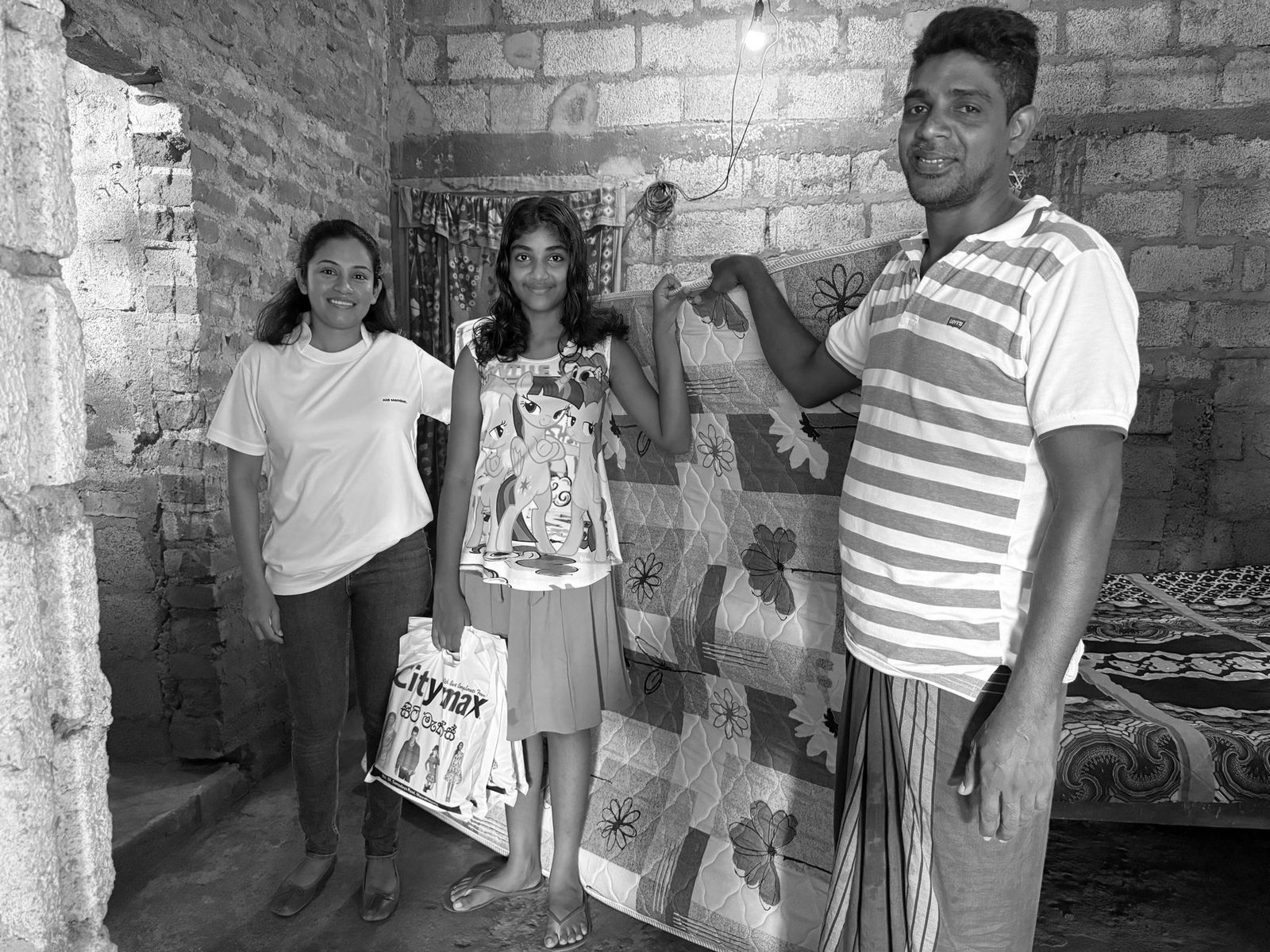
An Aid Meridian volunteer delivering a mattress and supplies to a family in Sri Lanka after the floods
DGR endorsed ACNC registered Public Benevolent Institution ABN 62 688 406 117

Aid Meridian Ltd, Registered Australian Charity. All donations of $2 or more are fully tax deductible.

12–18Hours from disaster to deployment (target)
2Regions covered: SE Asia and the Pacific
01Pilot location underway in the Philippines
100%Of the groundwork done before the crisis
Why this network exists

The response is only as fast as the preparation.

South-East Asia and the Pacific carry an over-representation of the world's disasters, and those disasters tend to have a worse human impact.

Proximity to coastline, lower development indexes, and limited sovereign resources mean remote communities in this region are hit harder and wait longer for help. Large international responses can take days to reach the towns that need them first.

The Rapid Response Network flips the timeline. Instead of gathering critical information after a disaster strikes, we build it beforehand: town by town, contact by contact, so the moment something happens, a response team already knows where to land, who to call, and what they will find.

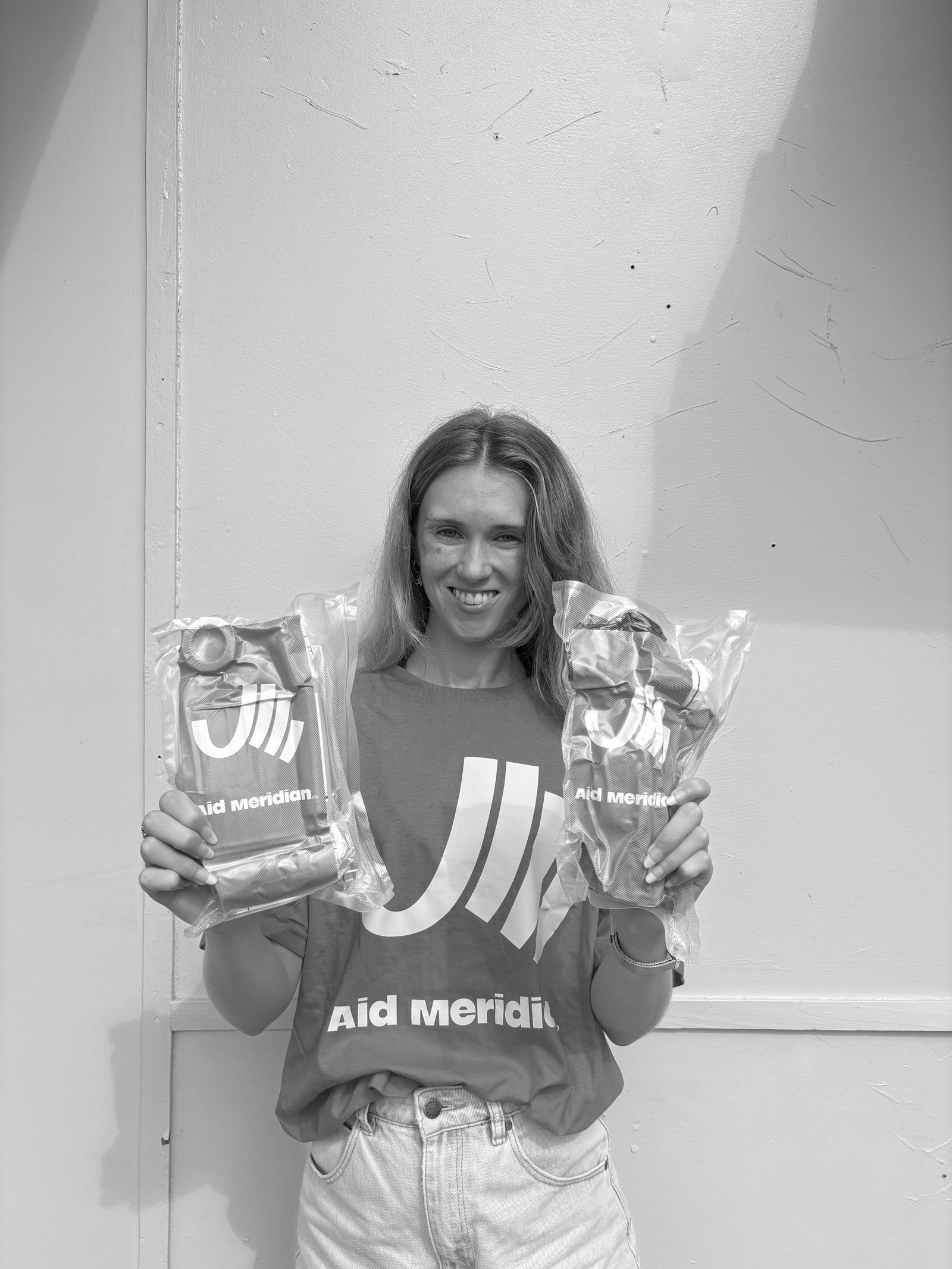
An Aid Meridian volunteer holding sealed Aid Meridian response kits
12–18h

Deployment target

A specialist team of medics, rescuers, and logistics coordinators on the ground within 12 to 18 hours of a disaster event.

Before

Built before the crisis

Town records are researched and maintained by volunteers ahead of time, when there is time to get them right.

How it works

From town records to boots on the ground

A simple model: prepare each location in detail, partner locally, and keep everything ready for the day it is needed.

01

Map the towns

Volunteer researchers and GIS analysts build a record for each remote town: local contacts, freshwater sources, transport routes, fuel access, accommodation, mission base locations, and satellite mapping.

02

Partner locally

Churches, community centres, and local organisations become our on-ground contact points. They know their communities, and they are the first link in the chain when a disaster hits.

03

Keep it ready

Records are maintained and verified over time, and each new location comes online using what we learned from the last one. One town at a time, the network grows.

04

Deploy

When a disaster strikes a network location, Rescue Response Group's specialist team deploys using the pre-positioned data, with the aim of arriving within 12 to 18 hours, before government and international response reaches the community.

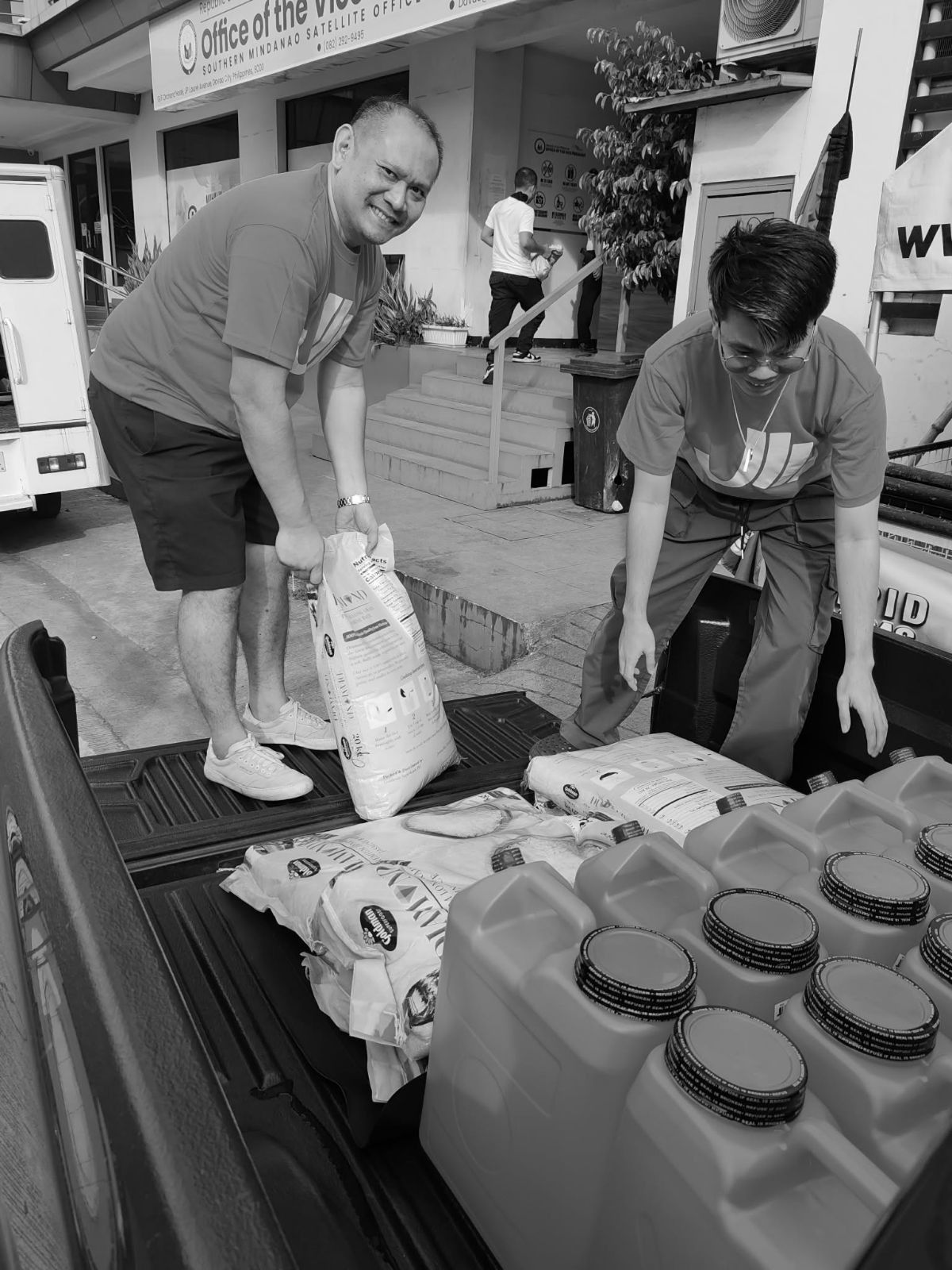
Aid Meridian volunteers loading rice and water containers onto a truck in Davao City
Where we are starting

Pilot: the Visayas, Philippines

Our first location is coming online in the Visayas region of the Philippines, chosen with our partners for its disaster exposure and the strength of Aid Meridian's existing networks in the country. We are reaching out to churches and community organisations across the region now.

Each new location we bring online must meet the deployment criteria we have set with Rescue Response Group:

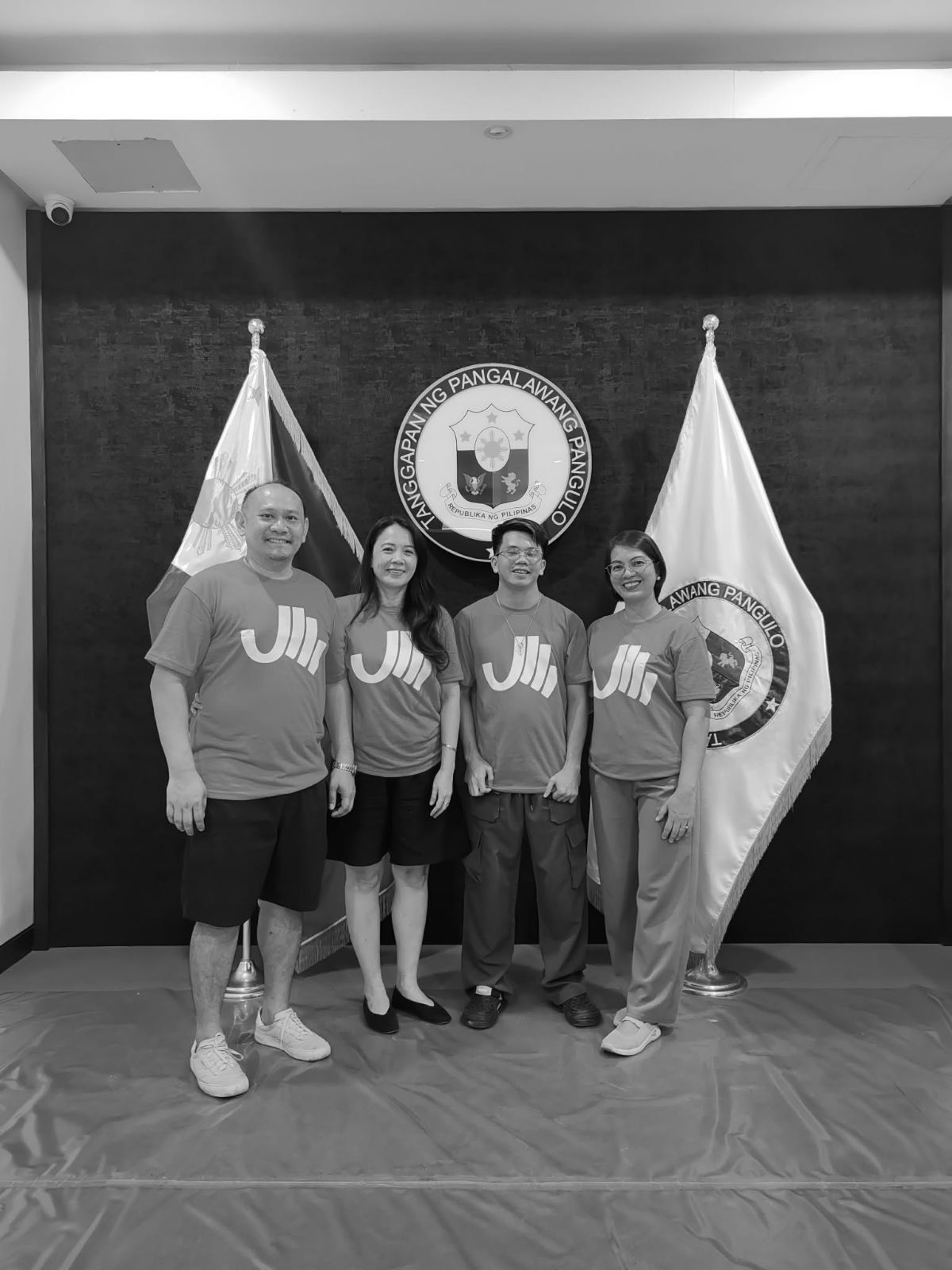
The Aid Meridian Philippines team at the Office of the Vice President of the Philippines

SE Asia and Pacific

The regions where disasters are most frequent, the human impact is worst, and response proximity gives us a genuine advantage.

Stable enough to serve

Locations without long-term political unrest, so teams can deploy safely and partnerships can last.

Insurable to deploy

Areas where official travel advisories allow insured teams to operate, so a response is never grounded by paperwork.

Our partner

Rescue Response Group

The Rapid Response Network is delivered in partnership with Rescue Response Group, a specialist rescue organisation whose Concept of Operations forms the doctrine behind the network. Their team brings the medics, technical rescuers, and logistics coordinators; Aid Meridian brings the community networks, research volunteers, and funding.

Rescue Response Group also offers training for civilian agencies in technical rescue disciplines on a cost-recovery basis. If your organisation or jurisdiction is interested, get in touch through the form below and we will connect you.

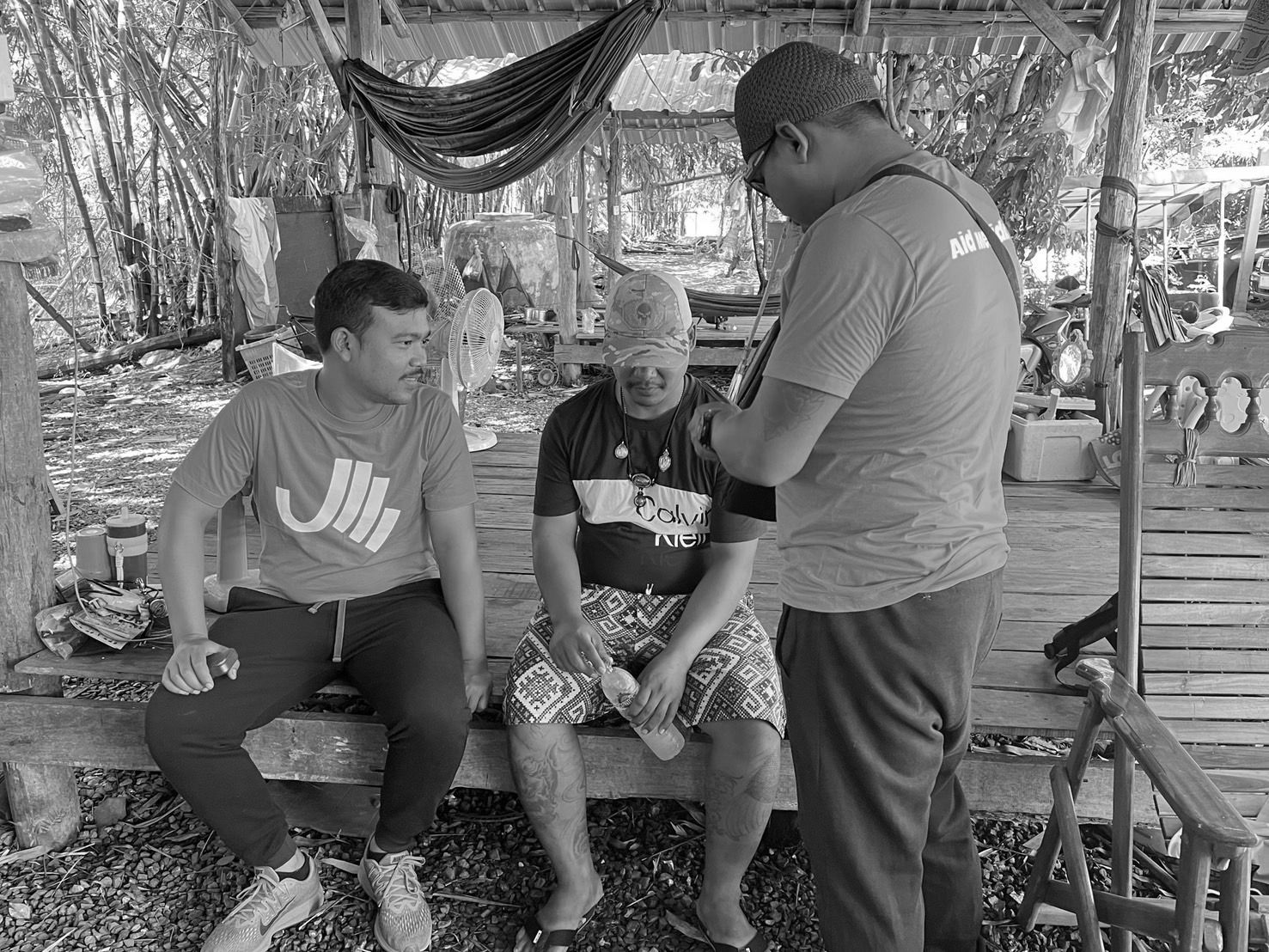
Aid Meridian team members talking with a man in a rural community in Thailand
Get involved

Ways to help

The network is built by people who show up before the crisis. Here is where you fit in.

Become a local partner

Churches, community centres, and local organisations across SE Asia and the Pacific: be the on-ground contact point for your community and help us build your town's record.

Partner with us

Volunteer your skills

Researchers, GIS analysts, translators, medics, and database builders. This is desk-based work you can do from anywhere, and it directly shortens response times.

Join the team

Fund the network

Every location we bring online is another community that will not wait days for help. Donations fund the research, verification, and readiness work.

Donate
Register your interest

Be part of the network

Leave your details and we'll follow up with how to partner, volunteer, or support the project.

Thanks, we'll be in touch shortly.
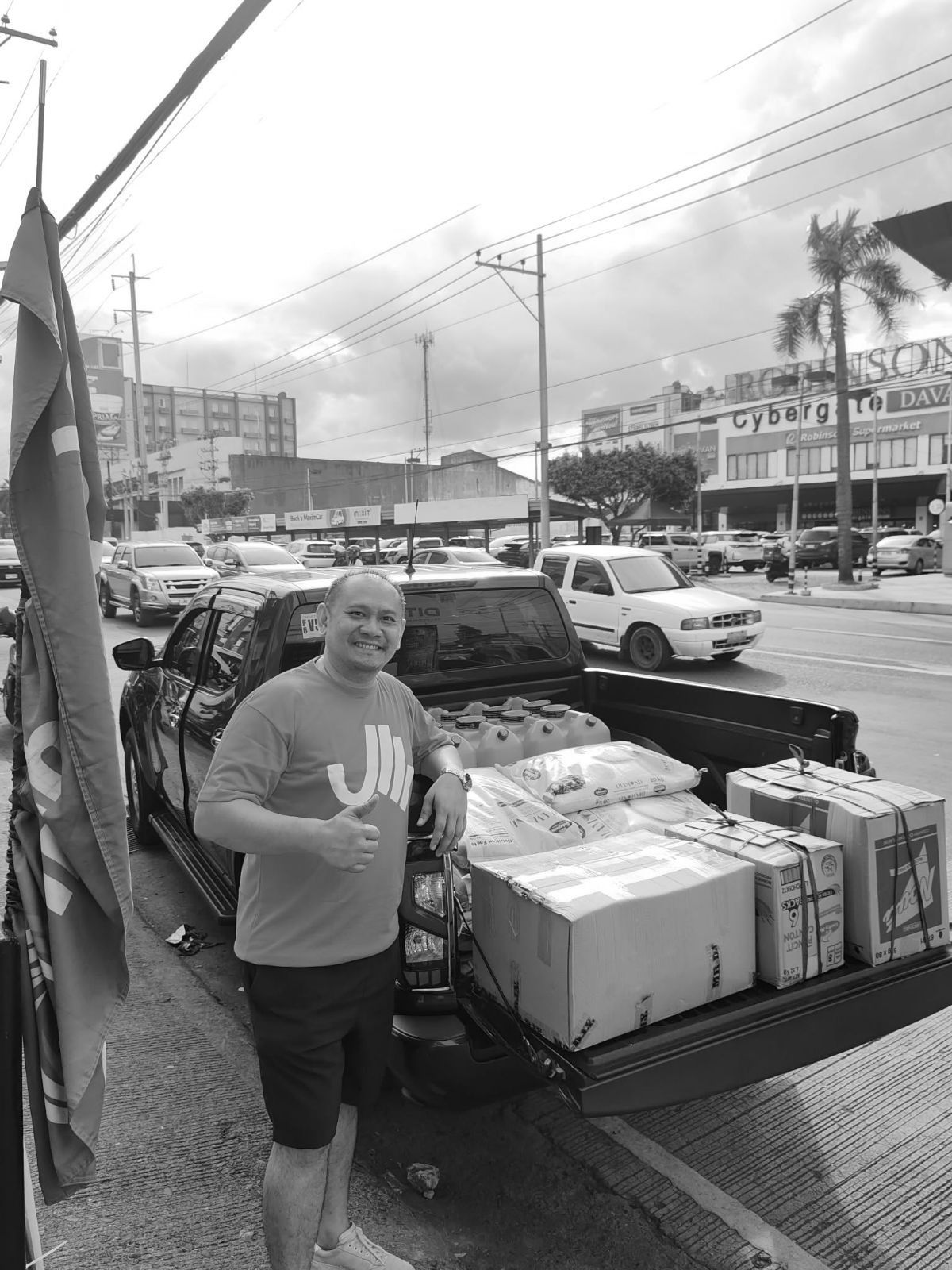
An Aid Meridian volunteer with a truck loaded with relief supplies in Davao City

Help us get there before the crisis

Every town record we finish today is a faster rescue tomorrow. Partner, volunteer, or fund the next location.

Support this program Back to Aid Meridian